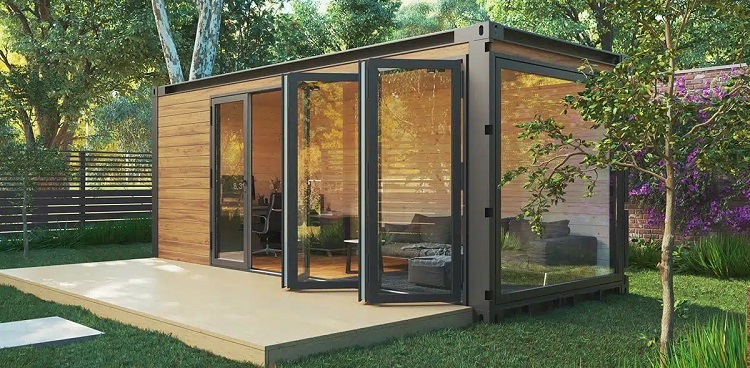
Garden pods are emerging as a practical solution for urban living, combining space efficiency with sustainability. As cities become more crowded, these compact, versatile structures offer residents a way to maximize limited outdoor and indoor areas without sacrificing comfort or style.
They represent a shift toward adaptable living spaces that blend functionality with modern design, making them highly appealing for urban dwellers. Garden pods not only create additional usable space but also support the growing demand for environmentally conscious living.
With their ability to serve multiple purposes—from private retreats to greenhouses—they align with the increasing trend of integrating nature into urban homes.
Table of Contents
Why Garden Pods Are Transforming Urban Living
Garden pods are reshaping how people use outdoor and urban spaces. They address space constraints, offer affordable and adaptable housing, and fit into modern urban planning strategies.
Adapting to Limited Urban Space
Urban areas often struggle with space limitations, making traditional expansions difficult. Garden pods provide a compact solution that fits easily in backyards or small plots. Their minimal footprint allows homeowners to add usable space without sacrificing garden area or resorting to permanent construction.
Pods are designed to optimize functionality within tight dimensions. They serve as offices, guest rooms, or leisure spots, adapting to diverse urban living needs. This flexibility supports higher-density living without compromising personal comfort.
The use of garden pods contributes to reducing urban sprawl. By maximizing existing outdoor areas, cities can better manage space without expanding their physical boundaries.
Affordable and Flexible Housing Solutions
Garden pods offer a cost-effective alternative to traditional extensions or moving to larger homes. They typically require less investment and shorter construction time. This financial accessibility makes them attractive in urban settings where property prices are high.
These structures are also highly customizable. Modular designs and varied sizes allow users to adapt pods for different purposes, including temporary housing or remote workspaces. Their portable nature means they can be relocated or reconfigured as needs change, adding to their long-term value.
Many offer year-round usability with insulation and heating options, providing practical living solutions in city environments.
Integration With Urban Planning Initiatives
Urban planners are increasingly recognizing garden pods as a tool for sustainable development. Their small size and environmentally friendly designs align with goals to reduce carbon footprints and encourage green living.
Pods can be integrated into community plans to increase affordable housing options without extensive new construction. In some cases, they serve as temporary housing during redevelopment projects or emergencies, offering flexible solutions to urban housing shortages.
By promoting efficient land use and supporting urban greenery, garden pods contribute to improved city living conditions. Some companies specialize in bespoke outdoor living spaces designed for year-round use that help meet these goals.
Sustainability and Well-Being Benefits of Garden Pods
Garden pods offer practical advantages that enhance urban living by promoting green habits, environmentally conscious design, and year-round plant cultivation. They create spaces that support health, reduce environmental impact, and make urban gardening accessible.
Supporting Urban Gardening and Organic Produce
Garden pods offer an ideal environment for urban gardening, providing dedicated spaces to grow vegetables, herbs, and fruits. Their compact size suits city gardens or terraces where traditional gardening space is limited.
Offering controlled conditions, garden pods enable gardeners to cultivate organic produce without the use of pesticides or chemical fertilizers. This encourages healthy eating and reduces reliance on store-bought produce with uncertain origins.
Many pods integrate features like raised beds and plant supports, facilitating efficient growth. This setup helps residents maintain regular gardening habits even in small urban areas, improving access to fresh, chemical-free foods.
Advancing Environmental Stewardship Through Design
Many garden pods are constructed with sustainable materials like responsibly sourced wood and recycled components. Designs often include double-glazed windows and thick insulation to reduce energy consumption for heating and cooling.
This airtight construction preserves indoor temperatures naturally, decreasing the need for external energy sources. Such energy efficiency supports lower carbon footprints compared to traditional garden structures.
Compactness also plays a role in minimizing land use and material waste. Garden pods embody principles of environmental stewardship by blending functionality with eco-conscious construction, promoting sustainable urban living.
Enabling Indoor Cultivation With Grow Lights
Garden pods can be equipped with grow lights, allowing cultivation of plants regardless of natural sunlight availability. This technology supports year-round growth of herbs, leafy greens, or seedlings indoors.
Grow lights supply the specific light wavelengths plants need for photosynthesis, compensating for urban areas with limited exposure to sunlight.